Evaluating Data Requirements for 3pl Audit Software
Picking 3pl Audit Software calls for more than comparing functions. Companies need to first determine whether a platform can accept, arrange, and validate the functional and billing info that shapes their logistics costs.
A beneficial analysis begins with the information already generated by service providers, storage facilities, transport management systems, enterprise resource planning platforms, and 3PL companions. Understanding those resources helps groups recognize compatibility voids before application.
FreightOptics sells 3pl Audit Software.
Start With Operational Information Sources
Operational information provides the context needed to evaluate whether a fee matches the solution that was asked for and provided. Pertinent records may consist of shipment dates, origin and location locations, solution degrees, bundle or pallet details, weights, dimensions, tracking identifiers, shipment standing, accessorial events, and warehouse task.
Companies must review exactly how this information is stored and traded. Some companions might provide structured data, while others use system integrations, websites, or standard digital papers. During assessment, validate whether the software can bring these resources with each other without needing extensive manual preparation. It should additionally maintain crucial identifiers so shipment, order, invoice, and delivery records can be connected precisely.
Check Out Payment and Agreement Details
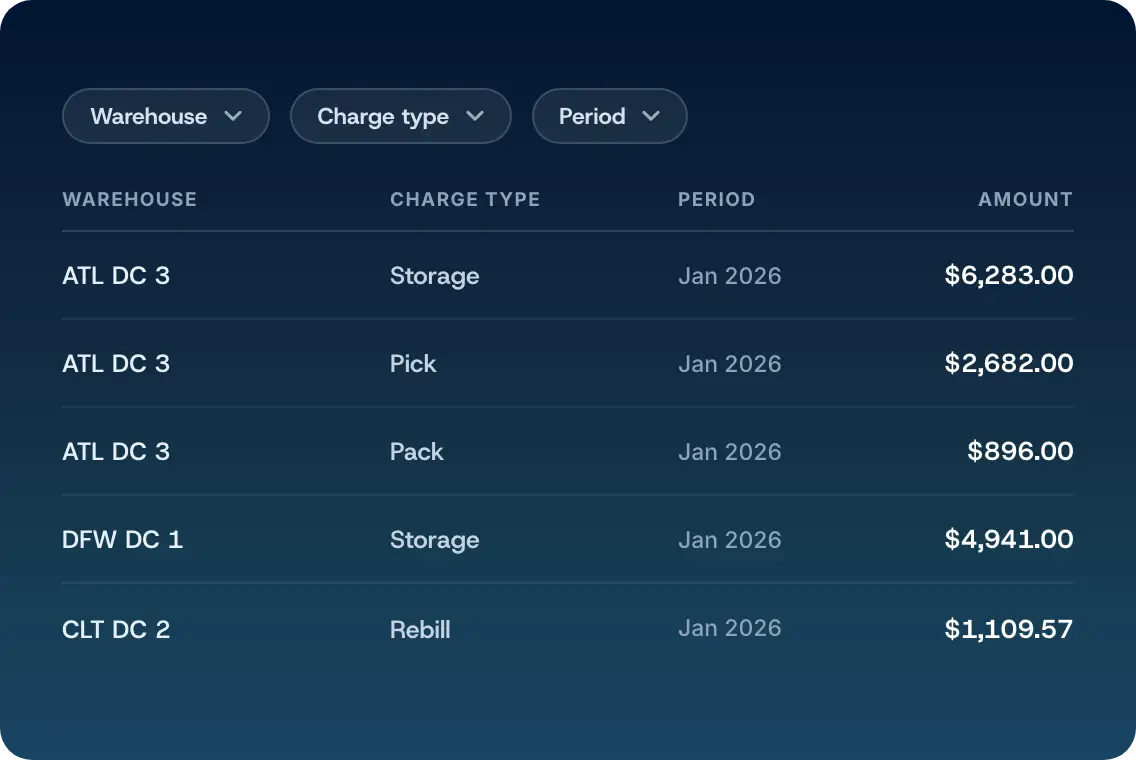
Payment data is main to an audit due to the fact that billings contain the quantities that require to be checked. Vital areas can include billing numbers, invoice days, delivery recommendations, billed services, base transportation charges, fuel costs, accessorial costs, tax obligations, debts, changes, and repayment standing. For storage facility and satisfaction activity, companies might additionally require storage space, taking care of, pick-and-pack, obtaining, returns, and unique service charges.
Agreement and rate details is entitled to equivalent interest. A system might require to review negotiated rates, minimum costs, dimensional guidelines, gas timetables, zone interpretations, surcharge problems, money demands, and third-party logistics audit software reliable days. Ask just how these terms are represented and preserved, particularly when contracts differ by service provider, customer, center, lane, or service kind. Clear assistance for versioned policies can assist guarantee a billing is examined versus the terms that used when the service took place.
Assess Data High Quality and Matching Requirements
Also qualified audit software depends on trustworthy source info. Examination teams must check out duplicate records, missing monitoring numbers, irregular address layouts, clashing weights, unit differences, insufficient accessorial codes, and day or time-zone inconsistencies. They need to likewise determine which areas are required for matching billings to deliveries, orders, contracts, and proof-of-delivery info.
A solid examination consists of representative examples instead of only clean examination documents. Use ordinary deliveries, exceptions, returns, worldwide motions, multi-package orders, and billings containing debts or disputed costs. This discloses whether the system can recognize partnerships throughout documents and discuss why a cost was approved, flagged, or turned down.
Take Into Consideration Reporting, Controls, and Data Access
The worth of audited information extends beyond locating private disparities. Services may require recaps by provider, facility, client, solution level, lane, shipment kind, or billing period. They may likewise intend to differentiate recoverable mistakes from legitimate fees and keep track of recurring concerns. Verify that the software can provide helpful reporting while preserving the transaction-level details needed for evaluation.
Information accessibility and administration ought to be part of the analysis too. Testimonial customer authorizations, audit backgrounds, export options, retention practices, and the ability to record decisions or modifications. These capacities sustain partnership amongst logistics, money, procurement, and operations groups without shedding the original record or the thinking behind a modification.
Develop an Examination Checklist
Before choosing a platform, produce a checklist that maps each needed information source and area to a company purpose. Consist of functional occasions, billings, rate agreements, account frameworks, exemption codes, and reporting requirements. Videotape the expected format, update frequency, liable owner, and any change called for before the data can be used.
FreightOptics supplies 3rd Party Logistics Audit services, and its 3pl Audit Software can be considered along with the organization's current systems, companion needs, and audit procedures. A focused review of data requirements helps companies select software program that fits their operational environment and sustains constant, explainable invoicing analysis.
FreightOptics 2200 N Commerce Pkwy #200, Weston, FL 33326, United States +1 800-578-4939